
Contents
There’s a difference between having a social media presence and building a social media brand.
A presence is posting content as it comes to mind. A brand is what people come to recognize you for over time—your angle, your tone, and the kinds of recommendations you’re known for.
This distinction matters because social media isn’t just another platform for sharing links—it’s a reflection of the person or brand sharing them. Before people care about what you promote, they’re paying attention to who’s behind the promotion.
Your posts, your profile, and how everything shows up between are what people are sizing up when they decide whether your account is worth following and if they’d ever trust what you put in front of them.
This guide covers how to build a social media brand presence that earns that confidence—one people recognize, return to, and feel good buying from every time your name shows up in their feed.
What It Takes to Build a Social Media Brand Worth Following
By the time someone decides to follow you on social media, they’ve already formed an opinion. That impression doesn’t come from a single post. It comes from the patterns people pick up as they spend time on your profile.
Your voice, visuals, profile, content themes, engagement style, and even the look of your links all send signals about how intentional your presence is and how seriously you take what you share.
The sections below break down those signals so your social media brand feels recognizable, consistent, and credible enough to support action—not just attention.
1. Get Clear on What You Want to Be Known For
Being popular on social media doesn’t mean you have to friend everybody. Nor do you have to hop on every trend, reshare every post that crosses your feed, or try to be everything to everyone. That’s exhausting, and honestly, it doesn’t work.
What actually gets you remembered is simply knowing who you are, who you’re for, and what you offer. That means:
- Stay true to your niche. The niche that guides your recommendations and website content should carry through to your social media presence. Consistency across your entire online footprint reinforces what you’re about.
- Choose personal or business branding. For most affiliates, personal works better because people trust people. That doesn’t mean oversharing your private life—it means your face, perspective, and voice are the core of your brand.
- Define your personality. Strong brands have a clear personality that shapes how they communicate. Identify the traits that feel authentic to you and let them guide your content.
- Know your audience. Your brand exists to connect with specific people. Understanding who you’re trying to reach shapes everything from your content topics to your tone.
- Identify your “why you” factor. Hundreds of affiliates operate in your space. The ones who build loyal audiences have something that makes them worth following. Identify what makes you different and lean into it.
This is the “who” behind your brand. When that’s clear, you stop being just another account—you become someone your followers can actually connect with.
2. Make Your Visual Style Easy to Recognize at a Glance
People scroll fast. If your content doesn’t register as familiar within a split second, it’s already gone. That’s why visual identity matters—it’s your chance to be recognized before anyone reads a word.
The good news: you don’t need to be a designer. It’s less about being fancy and more about being consistent. Here’s what to focus on:
- Your profile image. Use the same image across every platform. For personal brands, that means your face. For a business-like presence, a logo works too.
- Design consistency. When creating graphics, stick to the same color palette and font styles. You don’t need a formal brand guide, just enough consistency that your visuals feel like they belong together.
- Branded templates. Tools like Canva offer pre-designed templates you can customize with your brand elements. Pick a few layouts, plug in your colors and fonts, and reuse them for various content types.
Quick gut-check: if someone saw your post without your name attached, would they know it was you? When the answer is yes, your visual identity is working.
3. Show Up With a Voice that Actually Sounds Like You
Visuals might get someone to stop scrolling, but your voice is what makes them feel like they actually know you. Here’s how to develop yours:
- Let your personality lead. Your audience should be able to hear your voice even when they’re reading your words—your quirks, opinions, and natural way of explaining things.
For video, lean into being real. Audiences gravitate toward creators who actually sound human, who stumble over words and laugh at their own mistakes. - Pay attention to the small details. Do you tend to share short punchy sentences or longer, conversational ones? Are you heavy on emojis or text-only? These micro-choices shape how your content looks just as much as what it says, creating a voice people “visually” recognize.
- Create signature elements. Recurring phrases, how you open posts, how you transition into recommendations—these become your verbal fingerprint. Over time, your audience anticipates them, and that familiarity turns casual followers into people who feel connected to you.
When your voice is unmistakably yours, people don’t just recognize your content—they feel like they’re hearing from someone they know.
4. Treat Your Profile Like the First Impression It Is
When someone lands on your profile, they’re forming an opinion in seconds. Every element either reinforces your brand or makes them feel like they’re being catfished.
Every part of your social profile contributes to that snap judgment, starting with:
- Your Bio. In one or two lines, communicate what you’re about and what someone gets by following you. Generic descriptors like “content creator” don’t differentiate you. Specificity does.
- Link in bio. Built into your bio should be a link that guides people to more of your content—the stuff social media alone can’t support. This has become non-negotiable for creators and affiliates who want to actually monetize their social audience.
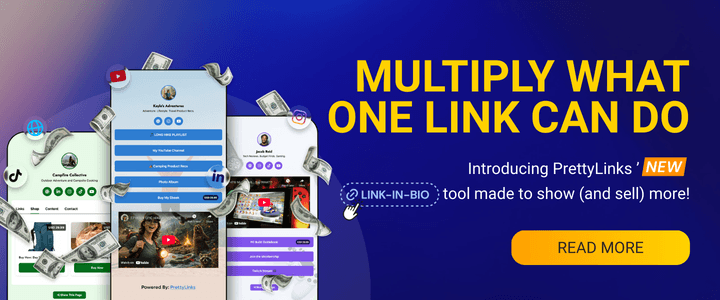
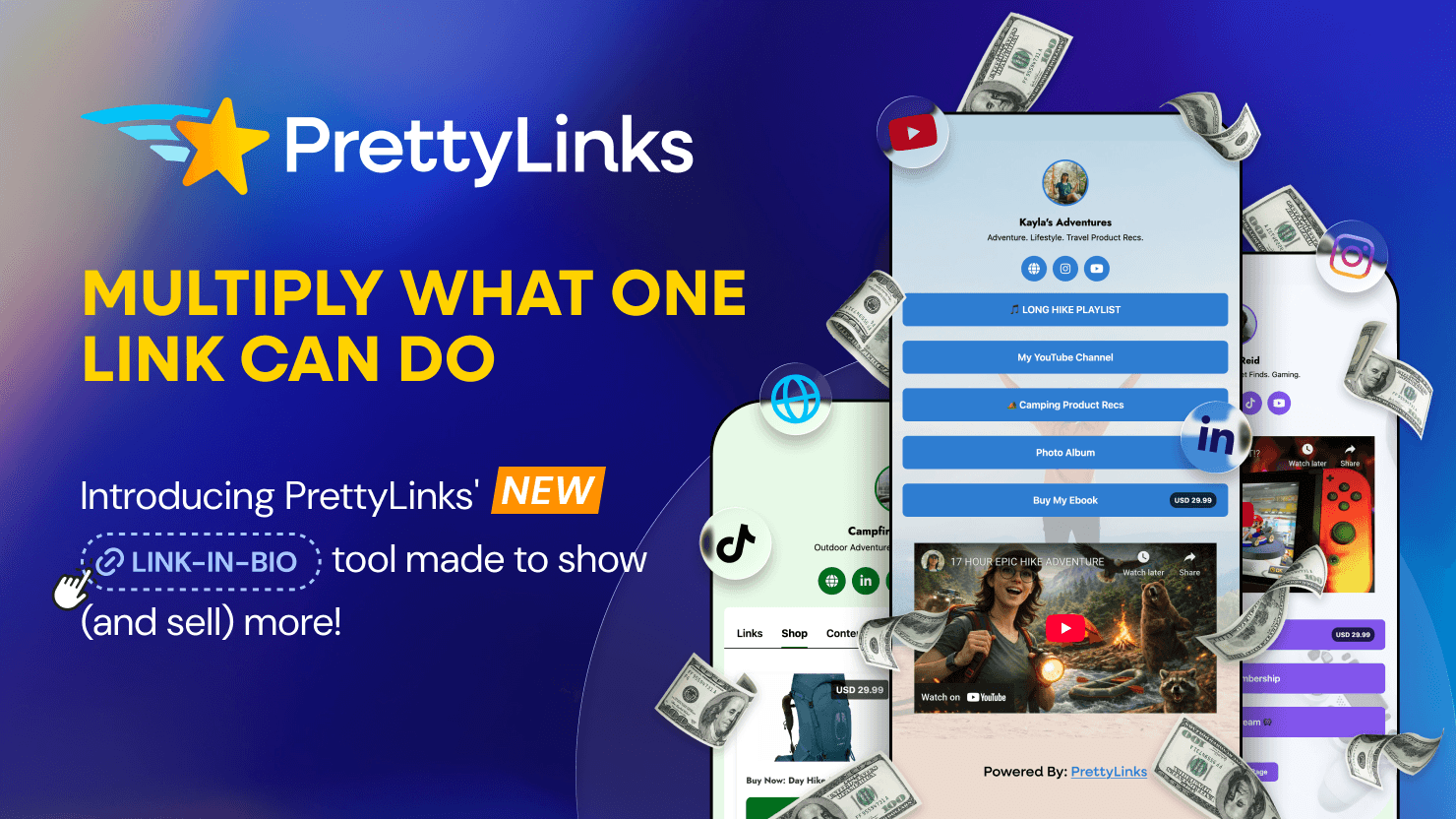
- A polished profile deserves a polished link. Because the PrettyLinks Link In Bio add-on is built inside PrettyLinks, your bio link matches your own domain, not a third-party URL.
- Username and handle. Consistent handles across platforms make you easier to find and reinforce that you’re the same person everywhere.
- Pinned posts. Use this to showcase your best work, communicate your value upfront, or give new visitors an immediate reason to follow.
Someone deciding whether to follow you will spend maybe five seconds on your profile. Make those seconds count.
5. Stick to Content Themes People Come Back For
If you’ve got content pillars for your blog, that’s great—but social media needs its own strategy.
Social media content pillars are broad categories—like education, promotion, engagement, community, and entertainment—that help keep your social feed consistent while still leaving room for creative execution.
For affiliate marketers, that often translates into product reviews, short-form tips, behind-the-scenes looks at how products are evaluated, and personal takes that add context to recommendations.
The goal: a focused set of themes that make your social content feel cohesive instead of scattered.
Pillars also make content creation easier—when you know your core themes, you’re not staring at a blank screen wondering what to post.
6. Use the Links You Share to Strengthen Your Brand
There’s absolutely nothing personal about sharing a sketchy-looking affiliate link in your social media posts.
But a link like: yoursite.com/recommends/product? That’s your name in the URL. You’re putting yourself behind the recommendation.
This applies even when linking to trusted platforms. Amazon is one of the most recognized shopping sites, but a raw affiliate link still looks cluttered. Swap it for yourname.com/loves/coffeemaker and you’ve added your personal stamp.
With PrettyLinks, you can create clean, branded links using your own domain. Every link becomes an extension of who you are; plus, when your audience reshares your content, your name goes with it.
Their friend who’s never heard of you? They just got introduced to your brand through that link. That’s exposure you didn’t have to work for!
7. Earn Trust Before You Ever Ask for a Click
People don’t click affiliate links from accounts they don’t trust. On social media, trust is earned through everything you post, how you engage, and whether you come across as genuinely helpful or just trying to make a quick buck.
- Show up consistently. Post regularly and engage dependably. Sporadic presence makes people wonder if you’ll even be around next month.
- Show social proof. Show social proof. Share real feedback, real results, and moments where a product actually worked for you. Seeing it in your own life makes your recommendation easier to trust.
- Be transparent about affiliate relationships. Use hashtags like #ad or #affiliate, or simply say “this is an affiliate link.” The FTC requires it, but beyond compliance, it signals honesty.
Trust is what makes someone click without second-guessing. Build it through consistency, proof, and transparency—and your audience stops hesitating and starts converting.
8. Bring Your Brand Into Every Conversation
Engagement isn’t separate from brand building—it’s part of it. Someone can scroll past a hundred posts and still feel like they don’t know you. But one thoughtful reply to their comment? That sticks.
- Engagement is a brand touchpoint. When someone comments or messages, they’re interacting with your brand directly. The tone and personality you bring should feel like a natural extension of your content.
- Small interactions still resonate. Responding thoughtfully and making people feel seen builds a reputation beyond your content. People remember how you made them feel.
- Community building is brand building. When your audience starts interacting with each other and coming back because they feel part of something, you’ve built more than a following.
People can tell when you’re genuinely engaged versus when you’re just going through the motions. Show up like there’s a real person on the other side of that comment—because there is.
9. Stay Recognizable Across Every Platform
If you’re active on multiple platforms, you’ve noticed they’re not all the same. But even though platforms differ, you shouldn’t feel like a different person on each one.
Here’s what helps you stay recognizable across platforms:
- Consistency anchors your identity. Your visual identity, voice, and core message should carry across every platform. Someone who discovers you on Instagram and later finds your YouTube should immediately recognize it’s the same person.
- Let the delivery flex. Format, cadence, and vibe vary by platform—and that’s fine. A Facebook post might be longer and conversational, whereas an X post is quick and punchy. Both can still be clearly from you.
Not sure how to adjust content for each platform? We break it down in our guide on How to Create Social Media Content Across Every Channel.
Cross-platform branding isn’t about sameness—it’s about staying unmistakable. When your voice and identity carry over, your brand stays intact no matter where someone finds you.
10. Refine What’s Working Instead of Starting Over
Brands aren’t static. As your audience grows or you change as a person, your brand needs to change too. The trick is doing it without confusing your audience.
Here’s how to make social media brand changes without starting from scratch:
- Know when it’s time to change. If your audience looks different, your focus has expanded, or your brand doesn’t feel like you anymore—that’s a sign to update. But boredom isn’t a reason to overhaul everything.
- Make changes gradually. Small updates let your brand grow without throwing people off. Sudden pivots make your audience wonder if they’re following the same person.
- Don’t abandon what’s working. If certain content consistently converts, keep making it. If your casual tone connects, don’t switch to corporate jargon. Growth means refining—not tossing what’s proven itself.
Your brand should grow with you. But growth doesn’t mean burning it down. It means building on what works while making space for who you’re becoming.
Conclusion
Social media gets a lot more profitable when you stop posting at random and start treating it as a brand you’re actively building.
It’s also one of the few marketing channels where brand-building can be both strategic and enjoyable—and when done intentionally, it creates recognition, trust, and long-term growth.
As you build, these are the habits that separate a brand from just posting:
- Be clear on what you want people to associate with you
- Make your content recognizable before anyone reads a caption
- Write and speak like a real person, not a polished brand voice
- Turn your profile into a quick “here’s why you should follow me” moment
- Stick to a few content themes people start to expect from you
- Put your name behind the links you share
- Earn trust long before you ever ask for a click
- Treat comments, replies, and DMs as part of your brand
- Stay familiar across platforms, even when the format changes
- Improve what’s already working instead of constantly starting over
PrettyLinks helps you put several of these social media branding tips into action:
- Share branded links that keep your name front and center every time you recommend a product, reinforcing your brand and building familiarity with every post.
- Use a branded Link in Bio hub to give your social traffic a clear next step, a one-link click, to explore more of what your brand has to offer.
What’s one idea from this post that made you stop and go, “Oh… I should probably do that!”? Tell us how you’re planning to strengthen your social media brand presence in the comments.






Leave a Reply